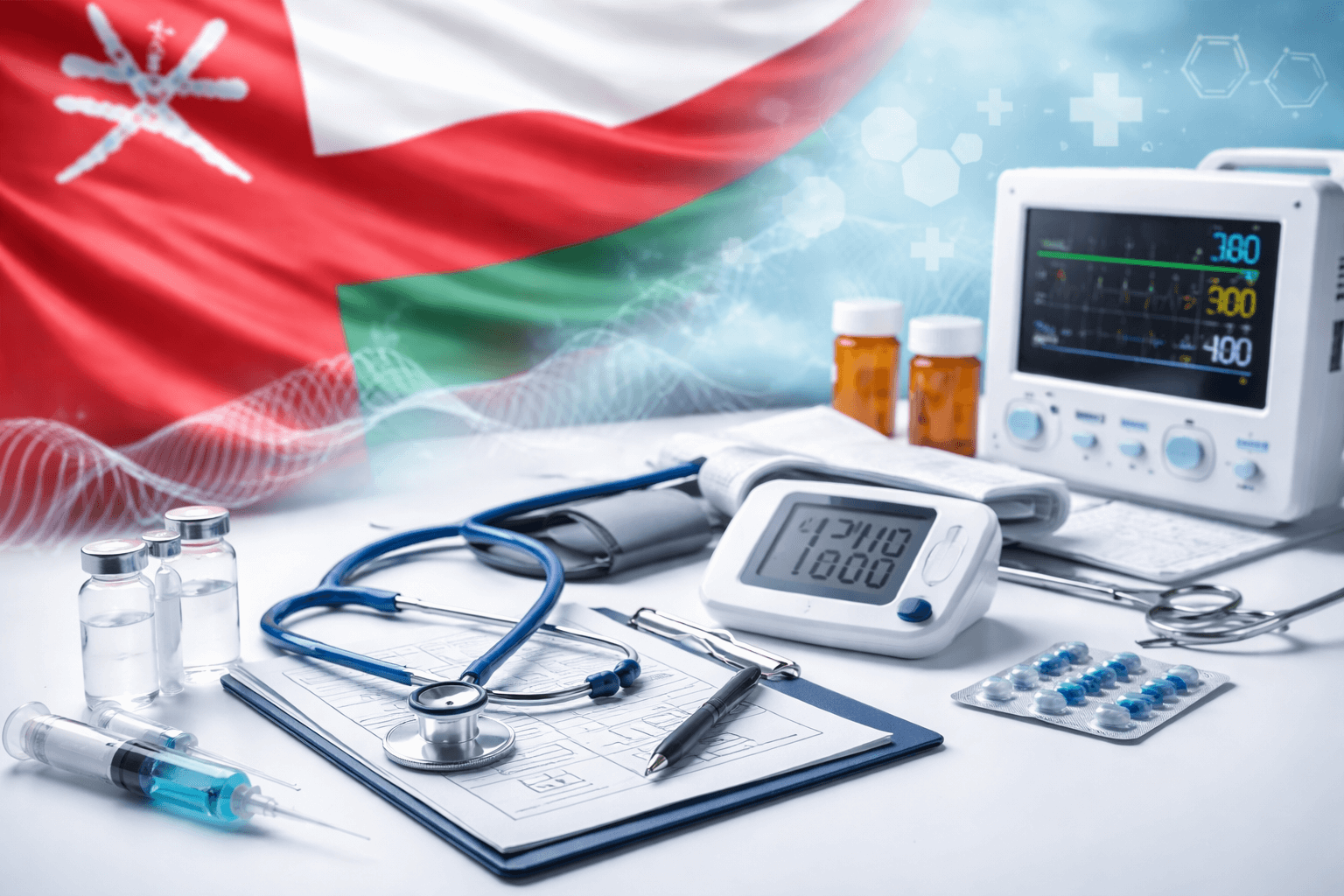
The medical device industry is crucial to the healthcare system in Oman, and as such, regulatory guidelines play a key role in ensuring the safety and effectiveness of medical products in the market. Understanding Oman’s regulatory framework for medical devices is essential for manufacturers, distributors, and healthcare professionals involved in the importation, sale, and use of medical devices.
1. Overview of Medical Device Regulations in Oman
In Oman, the regulatory authority responsible for overseeing medical devices is the Ministry of Health (MOH), specifically the Pharmaceutical and Drug Control Department. The regulatory framework aims to ensure that medical devices are safe, effective, and meet the required quality standards before they are introduced into the market.
The regulations align with international best practices, ensuring that medical devices are evaluated and approved based on their risk classification and intended use. This approach helps maintain high standards of patient safety and healthcare quality.
2. Regulatory Process for Medical Device Registration in Oman
The registration of medical devices in Oman involves a systematic process, ensuring that only devices meeting regulatory standards are available to healthcare providers. The key steps in the registration process include:
- Pre-market Notification: Manufacturers or importers must submit a pre-market notification to the Ministry of Health. This includes detailed information about the medical device, including its technical specifications, intended use, and safety data.
- Device Classification: Medical devices are classified into categories based on their risk level, ranging from Class I (low risk) to Class III (high risk). The classification determines the regulatory requirements and the depth of the evaluation process.
- Review and Approval: The Ministry of Health reviews the submitted documentation and conducts a thorough assessment. If the device complies with the regulations, it is granted approval for market entry.
- Post-market Surveillance: Once a medical device is approved and enters the market, it is subject to ongoing monitoring to ensure its continued safety and performance. Manufacturers and importers must report any adverse events or malfunctions to the authorities.
3. Key Regulatory Requirements for Medical Devices in Oman
Some of the key regulatory requirements for medical devices in Oman include:
- Quality Management System (QMS): Manufacturers are required to implement a robust QMS, in line with ISO 13485, which ensures consistent quality throughout the product lifecycle.
- CE Marking and International Certification: Medical devices that are already certified with a CE mark or equivalent international certification may have an expedited registration process in Oman. However, local compliance with Omani regulations is still required.
- Labeling and Packaging Requirements: The labeling of medical devices must include essential information such as the device name, manufacturer details, batch number, expiration date, and safety precautions in Arabic and English.
- Clinical Trials: For high-risk medical devices, clinical trials may be required to demonstrate their safety and efficacy before market approval.
4. Importation and Distribution of Medical Devices in Oman
To import and distribute medical devices in Oman, companies must obtain an importer license from the Ministry of Health. The importation process includes:
- Verification of Importer Credentials: The Ministry ensures that only licensed distributors and importers can bring medical devices into the country. This is crucial for preventing counterfeit or substandard devices from entering the market.
- Customs Clearance: Imported medical devices must undergo customs clearance, during which they are assessed for compliance with Omani regulations.
- Distribution Control: Once cleared, medical devices can be distributed to healthcare facilities, but distributors must maintain proper records and adhere to all regulatory requirements for inventory management and tracking.
5. Challenges and Opportunities in the Omani Medical Device Market
While the regulatory framework in Oman provides clear guidelines for the importation and use of medical devices, there are still challenges to consider:
- Complexity of Regulatory Procedures: The regulatory process can be time-consuming, particularly for high-risk devices, which require extensive documentation and clinical evidence.
- Evolving Regulations: As healthcare standards evolve, so too do the regulations surrounding medical devices. Staying up to date with these changes requires ongoing effort from manufacturers and distributors.
Despite these challenges, Oman offers significant opportunities for growth in the medical device sector. The country’s healthcare system is rapidly expanding, driven by government initiatives to improve healthcare services and infrastructure. This creates a demand for advanced medical technologies, which can be met by international manufacturers who understand the regulatory landscape.
6. Becoming a Distributor for SMART HORIZON Medical Devices and Other Leading Brands
For businesses looking to import and distribute medical devices like those from the renowned brand SMART, becoming an official distributor is a strategic move. Here’s how you can go about it:
- Research and Market Understanding: Before applying for distribution rights, it’s essential to understand the specific needs of the market in Oman or any other country you are targeting. This includes identifying demand for SMART devices or similar technologies and conducting a competitive analysis.
- Building Strong Relationships with SMART or Similar Brands: Contact the company directly or through an authorized distributor to discuss the potential of becoming a partner. Prepare a detailed business plan that outlines your ability to distribute their products effectively, including your network, distribution strategy, and after-sales support capabilities.
- Compliance with Regulatory Standards: Once the agreement is in place, you’ll need to ensure that the devices comply with the local regulatory framework, such as Oman's Ministry of Health requirements. This may involve submitting documents for product registration, quality certifications, and establishing an official importation channel.
- Logistics and Supply Chain Management: Establishing efficient logistics and a reliable supply chain is crucial when dealing with medical devices, especially from a brand like SMART. This includes warehousing, distribution, and ensuring that devices are transported safely and on time.
- After-Sales Services: In addition to distribution, brands like SMART often require that their distributors provide comprehensive after-sales services, including maintenance, training, and warranty support.
By following these steps and adhering to both local and international regulations, you can successfully become a distributor for leading medical device brands like SMART and cater to the growing demand for high-quality medical technologies in Oman and beyond.
7. Conclusion
Navigating the regulatory environment for medical devices in Oman is essential for ensuring that devices meet safety and efficacy standards. With clear guidelines and a structured approval process, Oman provides a stable and growing market for medical devices. Manufacturers and importers who familiarize themselves with these regulations can ensure smoother entry into the market and contribute to the advancement of healthcare in the country.
Furthermore, by obtaining distribution rights for reputable brands like SMART, businesses can tap into a lucrative market for advanced medical technologies, positioning themselves as key players in the medical device sector.